


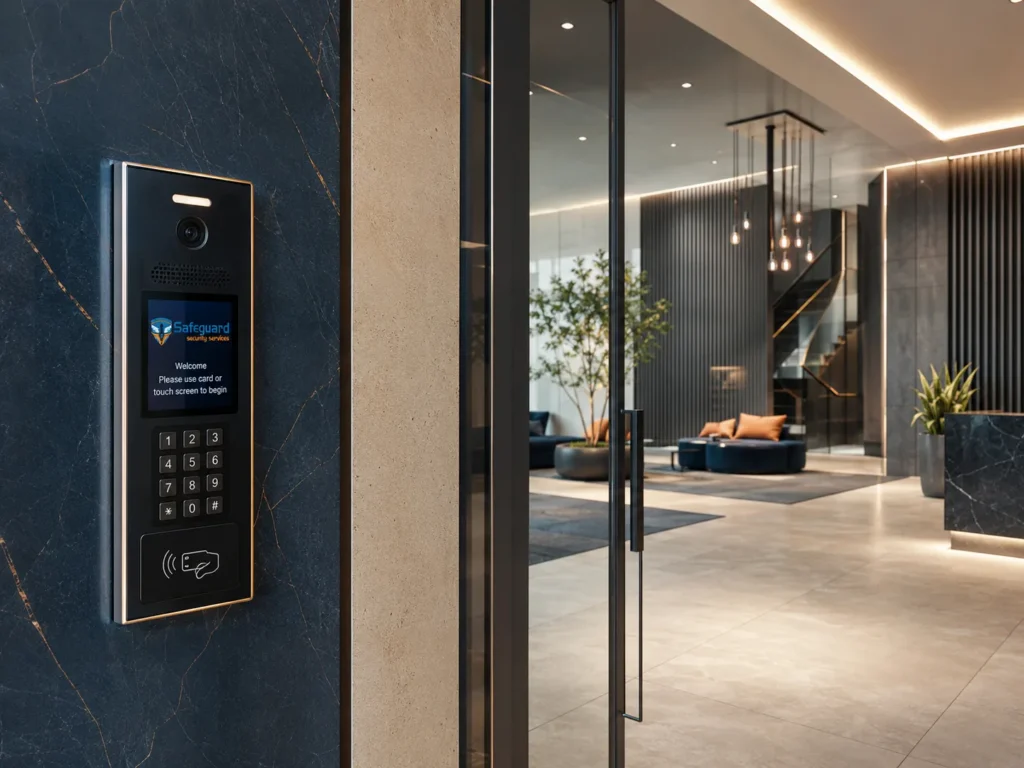
A key opens a door for whoever holds it. That is its strength and its weakness. Access control keeps the door but changes the question from who has a key to who is allowed in, and when.
What keys do well
For a small site with a few staff and little turnover, keys are simple and cheap. Nothing to configure, nothing to power. The cost shows up later: re-keying after a lost key, and not knowing who was in the building at a given time.
What access control changes
A card, fob or code can be switched off without touching the lock. You can set hours for each person, see who entered and when, and give a contractor a pass that expires. For a site with shifts, shared spaces or more than one door, that control tends to pay for itself in time saved.
Choosing between them
Think about how often people change, how many doors matter, and whether you need a record of entry. Many sites use both: access control on the doors that matter and keys elsewhere. The right mix depends on the building and the people in it.
If you are weighing it up for your premises, get in touch and we can look at the doors with you.